

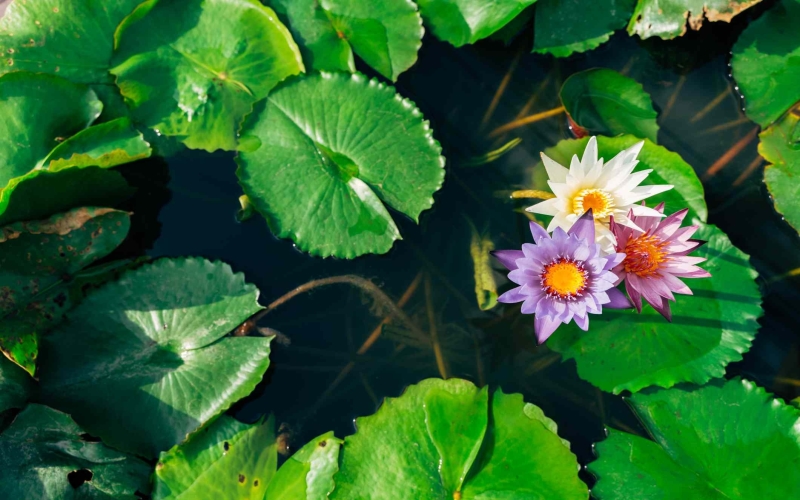
Creating a home pond is a delightful way to enhance your garden’s aesthetic appeal, promote biodiversity, and enjoy a tranquil outdoor space. One of the most enchanting additions to any home pond is aquatic flowers. These water plants for ponds are not only beautiful but also play a crucial role in maintaining a healthy aquatic ecosystem. In this blog, we’ll explore the feasibility of growing aquatic flowers in home ponds, the types of aquatic plants available, and tips for their successful cultivation.
Why Grow Aquatic Flowers in Home Ponds?
Aquatic flowers can transform a mundane pond into a picturesque and serene retreat. Here are some compelling reasons to grow these plants in your home pond:
- Aesthetic Appeal: Aquatic flowers like water lilies and lotuses add vibrant colors and unique textures to your pond, making it a visual delight.
- Ecosystem Balance: These plants help maintain the ecological balance by providing oxygen, reducing algae growth, and offering habitat for fish and other aquatic organisms.
- Water Quality Improvement: Aquatic plants filter and purify water by absorbing nutrients and contaminants, keeping your pond clean and clear.
- Wildlife Attraction: A pond with diverse plant life attracts birds, butterflies, dragonflies, and other wildlife, enhancing the biodiversity of your garden.
Types of Aquatic Flowers for Home Ponds
When it comes to choosing water plants for ponds, there are several stunning varieties to consider. Each type has its own unique characteristics and requirements.
Water Lilies (Nymphaea)
Water lilies are perhaps the most iconic and popular choice for home ponds. Known for their large, floating leaves and exquisite flowers, water lilies come in a variety of colors, including white, pink, red, yellow, and blue.
- Sunlight: Full sun to partial shade
- Planting Depth: 6 to 24 inches of water
- Bloom Time: Summer to early fall
Lotus (Nelumbo)
Lotuses are revered for their large, showy flowers and impressive size. They can grow up to 4 feet tall and are available in shades of white, pink, and yellow.
- Sunlight: Full sun
- Planting Depth: 12 to 24 inches of water
- Bloom Time: Mid-summer to early fall
Water Hyacinth (Eichhornia crassipes)
Water hyacinths are floating plants known for their beautiful lavender flowers and rapid growth. They are great for adding a quick burst of color to your pond.
- Sunlight: Full sun
- Planting Depth: Floating on the water surface
- Bloom Time: Late spring to early fall
Water Poppy (Hydrocleys nymphoides)
Water poppies have bright yellow, poppy-like flowers and floating leaves. They are ideal for smaller ponds and container water gardens.
- Sunlight: Full sun to partial shade
- Planting Depth: 6 to 12 inches of water
- Bloom Time: Summer
Pickerelweed (Pontederia cordata)
Pickerelweed features spikes of blue or purple flowers and broad, heart-shaped leaves. It is a marginal plant that thrives in shallow water.
- Sunlight: Full sun to partial shade
- Planting Depth: 3 to 12 inches of water
- Bloom Time: Summer to early fall
Preparing Your Pond for Aquatic Flowers
Before introducing aquatic flowers to your home pond, it’s important to prepare the environment to ensure their healthy growth and longevity. Here are some key steps:
Pond Construction
Ensure your pond has a proper depth and size suitable for the types of aquatic plants you intend to grow. Water lilies and lotuses require deeper sections, while marginal plants like pickerelweed thrive in shallower areas.
Water Quality
Test and adjust the pH, hardness, and nutrient levels to maintain optimal water quality. Clean water with minimal pollutants supports healthier plant growth.
Substrate
Anchor your plants with appropriate substrates, such as aquatic soil or a mix of clay and sand. Avoid using regular garden soil, as it can contain harmful chemicals and nutrients that promote algae growth.
Planting Containers
Consider using planting containers or baskets to contain the roots and prevent the plants from spreading uncontrollably. This also makes it easier to manage and rearrange the plants as needed.
Planting and Caring for Aquatic Flowers
Once your pond is prepared, you can start planting your chosen aquatic flowers. Here’s a step-by-step guide to ensure successful cultivation:
Planting Water Lilies and Lotuses
- Preparation: Choose a large, shallow container and fill it with aquatic soil.
- Planting: Place the water lily or lotus tuber horizontally in the soil, with the growing tip facing upward. Cover lightly with soil and add a layer of gravel to prevent the soil from floating away.
- Placement: Submerge the container in the pond, adjusting the depth according to the plant’s requirements. Initially, place them in shallower water and gradually move them to deeper areas as they grow.
Planting Floating Plants (Water Hyacinth)
- Preparation: No soil or containers are needed for floating plants.
- Placement: Simply place the water hyacinths on the pond surface, allowing them to float freely. They will quickly establish and multiply.
Planting Marginal Plants (Pickerelweed)
- Preparation: Use planting baskets filled with aquatic soil.
- Planting: Plant the pickerelweed in the basket, ensuring the roots are well-covered with soil. Top with a layer of gravel.
- Placement: Submerge the basket in the shallow margins of the pond.
General Care and Maintenance
- Fertilization: To provide essential nutrients, use slow-release aquatic fertilizer tablets. Follow the manufacturer’s instructions for dosage and frequency.
- Pruning: Regularly remove dead or yellowing leaves to maintain plant health and appearance. Prune excess growth to prevent overcrowding.
- Pest Control: Monitor for pests like aphids and treat with pond-safe insecticidal soap if necessary.
- Winter Care: In colder climates, some aquatic plants may need to be moved indoors or to deeper parts of the pond to survive winter. Research your plants’ specific needs.
Troubleshooting Common Issues
Despite your best efforts, you may encounter some challenges while growing aquatic flowers in your home pond. Here are solutions to common problems:
Algae Overgrowth
- Cause: Excess nutrients and sunlight
- Solution: Reduce feeding of fish, add more plants to compete with algae for nutrients, and use a pond shade to limit sunlight exposure.
Poor Flowering
- Cause: Insufficient sunlight or nutrients
- Solution: Ensure the plants receive adequate sunlight (at least 6 hours a day) and fertilize regularly with aquatic plant fertilizer.
Yellowing Leaves
- Cause: Nutrient deficiency or poor water quality
- Solution: Test water quality and adjust as necessary. Fertilize the plants and remove any dead or decaying plant material from the pond.
Root Rot
- Cause: Poor drainage or waterlogged soil
- Solution: Use well-draining aquatic soil and ensure proper water circulation in the pond.
Conclusion
Growing aquatic flowers in home ponds is not only feasible but also incredibly rewarding. These water plants for ponds add a touch of elegance and natural beauty to your garden while supporting a healthy aquatic ecosystem. By selecting the right plants, preparing your pond properly, and providing diligent care, you can enjoy a vibrant and flourishing pond filled with stunning aquatic flowers. Whether you’re a seasoned gardener or a novice enthusiast, the joy of seeing your pond come to life with blooming water lilies, majestic lotuses, and other aquatic beauties is truly unparalleled. So, dive into the world of aquatic gardening and transform your home pond into a captivating oasis!