

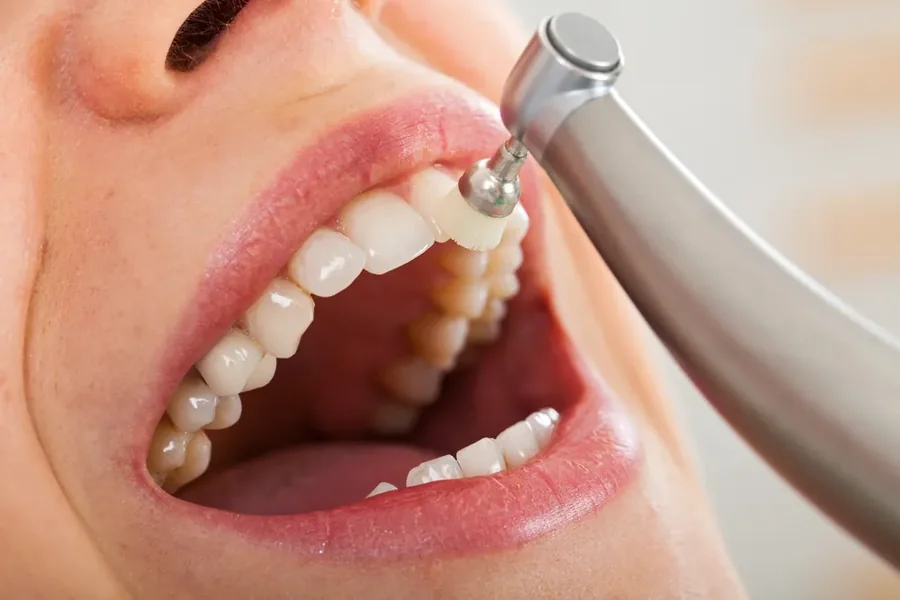
You care about your teeth. Strong teeth are crucial for speaking clearly, eating without pain, and smiling with confidence. Fluoride plays a key role in protecting your teeth from decay. This mineral strengthens your enamel, the outer layer of your teeth, by making it more resistant to acids from food and bacteria. If you’re wondering how to incorporate fluoride into your dental care, consider speaking with a dentist in Wichita Falls, TX. They can offer personalized guidance on the right fluoride products for you. Fluoride is found in various sources such as drinking water, toothpaste, and mouth rinses. Regular use of fluoride can prevent cavities, reduce dental pain, and save you money on future treatments. By including fluoride in your daily routine, you are taking a proactive step in maintaining your oral health. Remember, healthy teeth contribute to overall well-being and a positive self-image.
Understanding Fluoride
Fluoride is a naturally occurring mineral found in water, soil, and various foods. It is well-known for its ability to fight tooth decay through remineralization. This process repairs weakened enamel and can even reverse early stages of tooth decay. By enhancing the resilience of your enamel, fluoride helps protect your teeth against harmful acids and bacteria that cause cavities.
How Fluoride Benefits Your Teeth
Fluoride’s primary benefit is its ability to reinforce tooth enamel. When consumed in recommended amounts, fluoride becomes incorporated into the structure of developing teeth, making them more resistant to decay. For adults, fluoride helps rebuild weakened enamel and can inhibit the growth of harmful oral bacteria.
Sources of Fluoride
- Drinking Water: Many communities add fluoride to their water supply to ensure residents receive the protective benefits.
- Toothpaste and Mouth Rinses: Most dental care products contain fluoride. Look for the ADA seal of acceptance when choosing toothpaste.
- Professional Treatments: Dentists may apply fluoride gels, foams, or varnishes during routine check-ups for additional protection.
Fluoride in Drinking Water
Community water fluoridation is a public health measure to reduce tooth decay. According to the Centers for Disease Control and Prevention (CDC), fluoridated water can reduce cavities by about 25% in children and adults. The CDC considers water fluoridation as one of the greatest public health achievements of the 20th century.
Table: Fluoride Levels in Common Sources
| Source | Fluoride Concentration (ppm) |
| Community Water | 0.7 to 1.2 |
| Toothpaste | 1,000 to 1,500 |
| Mouth Rinses | 250 to 500 |
Safe Use of Fluoride
While fluoride is beneficial, it’s essential to use it correctly to prevent dental fluorosis, a condition that affects tooth enamel. This condition is primarily a concern for children under eight years old. Use only a pea-sized amount of fluoride toothpaste for children and ensure they do not swallow it. Engage with your dentist for advice on the appropriate fluoride use for your family.
Conclusion
Fluoride is a critical element in maintaining dental health. By incorporating fluoride into your routine, you can effectively reduce the risk of cavities and ensure a lifetime of healthy smiles. Consult your dentist for the best fluoride practices tailored to your needs. Remember, strong teeth contribute to your overall health and confidence.
