

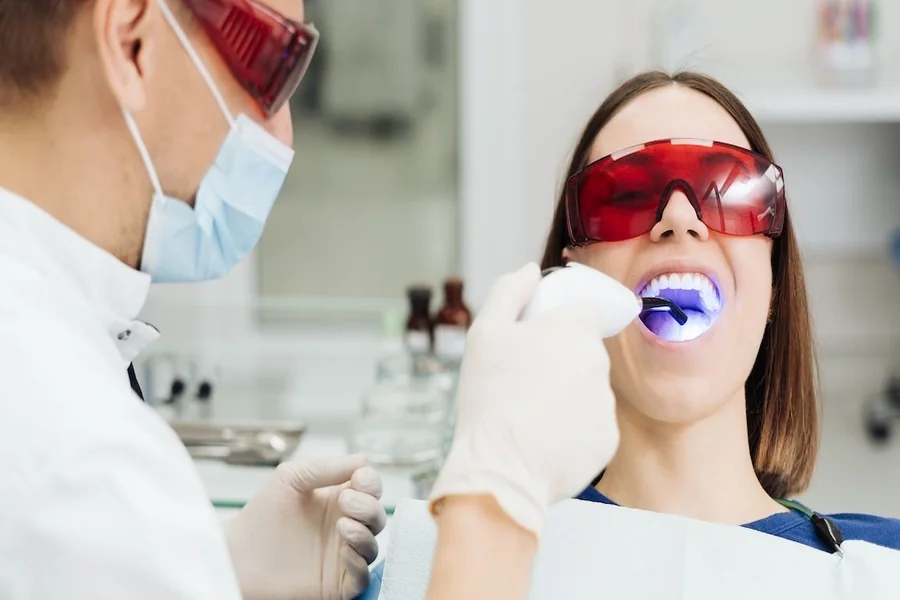
Dentistry has long been an essential part of healthcare, focused on preventing and treating oral diseases, improving function, and enhancing smiles. But like every modern industry, dental care is evolving rapidly. From technological upgrades to changing patient expectations, dentists today are navigating a landscape of new trends that are transforming how care is delivered, experienced, and managed. Below, we explore the most significant developments influencing a modern dentist practice now and into the near future.
1. Digital Dentistry — A New Standard
One of the biggest shifts in recent years has been the widespread adoption of digital dentistry. Tools like intraoral scanners, digital X‑rays, computer‑aided design and manufacturing (CAD/CAM), and 3D printing are no longer futuristic concepts — they’re becoming everyday instruments in dental offices.
Why it matters
- Improved accuracy: Digital impressions and 3D scans provide more precise models than traditional molds, reducing errors and patient discomfort.
- Faster turnaround: 3D printing allows for same‑day crowns, bridges, and appliances in some clinics.
- Better treatment planning: Digital tools help dentists visualize complex cases before they begin work.
Digital dentistry improves patient experiences and increases the efficiency of clinical workflows — making care more predictable and often less costly in the long term.
2. Teledentistry — Access and Convenience
The pandemic accelerated remote services in many healthcare sectors, and dentistry was no exception. Teledentistry uses video calls, messaging, and online records to allow consultations without an in‑person visit.
A skilled dentist can leverage teledentistry to reach patients who might otherwise delay care.
What teledentistry can do
- Remote assessments: Dentists can evaluate symptoms, offer guidance, and triage urgent needs.
- Follow‑ups without travel: Patients can check in after procedures without revisiting the clinic.
- Improved access: People in rural or underserved areas can get professional advice more easily.
While teledentistry doesn’t replace in‑chair treatments like fillings or cleanings, it expands access and reduces barriers — especially for initial screenings and education.
3. Patient‑Centered Care and Personalization
Modern patients want more than just technical expertise — they want personalized, empathetic care. Dentists are responding with approaches that focus on comfort, communication, and individualized treatment plans.
Examples of personalization
- Tailored prevention plans based on lifestyle, diet, and risk factors.
- Sedation options and anxiety‑reducing environments for nervous patients.
- Cosmetic desires integrated into functional treatment plans (e.g., combining orthodontics with whitening).
This shift reflects broader healthcare trends emphasizing respect, shared decision‑making, and holistic wellness.
4. Minimally Invasive Dentistry
Rather than removing large amounts of tooth structure or using aggressive treatments, dentists are increasingly using minimally invasive techniques. These focus on preserving as much natural tissue as possible.
Techniques and tools
- Air abrasion and lasers to remove decay gently.
- Sealants and remineralization agents to prevent cavity progression.
- Micro‑restorations that preserve healthy enamel.
By choosing gentler treatment options when appropriate, dentists reduce discomfort, preserve function, and often improve long‑term outcomes.
5. Integration of Artificial Intelligence (AI)
Artificial intelligence is no longer just a buzzword — it’s an emerging tool in dental diagnosis and treatment planning.
Where AI plays a role
- X‑ray interpretation: AI software can highlight potential issues like cavities or bone loss.
- Workflow management: Scheduling and patient reminders can use automated prediction tools.
- Treatment simulation: AI may help show patients likely outcomes of procedures like orthodontics.
AI won’t replace dentists — at least not soon — but it can enhance accuracy, reduce routine tasks, and support better decision‑making.
6. Focus on Prevention and Oral‑Systemic Health
Dentists increasingly emphasize prevention over cure. That means educating patients about risk factors like diet, smoking, and oral hygiene long before problems escalate.
Oral‑systemic connections
Growing research shows links between oral health and general health issues such as:
- Heart disease
- Diabetes
- Respiratory conditions
Dentists are more frequently collaborating with physicians, nutritionists, and other healthcare professionals to address whole-body health rather than just teeth.
7. Sustainability and Eco‑Friendly Practices
Environmental awareness is rising in every industry, and dental care is no exception. Clinics are adopting more sustainable practices as part of a broader commitment to public health.
Green trends in dental clinics
- Digital records instead of paper charts.
- Reusable instruments and careful waste sorting to reduce plastic and landfill waste.
- Energy‑efficient equipment and LED lighting.
- Eco‑friendly materials when possible.
Patients are noticing — and often preferring — dental offices that demonstrate environmental responsibility.
8. Workforce Changes and New Career Paths
Dentistry as a profession is also changing internally. There is a growing emphasis on:
- Team‑based care involving dental hygienists, assistants, and specialists.
- Expanded roles for dental hygienists and therapists in preventive care.
- Diversity and inclusion within the profession.
Additionally, dental support organizations (DSOs) — corporate groups that manage multiple practices — are reshaping career structures. Some dentists choose private practice ownership, while others prefer the stability and administrative support of DSOs.
9. Cosmetic and Elective Dentistry Growth
Aesthetic dentistry continues to expand as people place high value on smile appearance. Treatments that once were considered “luxury” are now mainstream.
Popular cosmetic trends
- Teeth whitening
- Veneers and bonding
- Clear aligners
- Digital smile design
These trends are driven by social media, cultural emphasis on appearance, and advancements that make cosmetic procedures more predictable and affordable.
10. Cultural and Demographic Shifts in Care Demand
Dentistry must also adapt to broader demographic changes, including:
- Aging populations requiring more complex restorative care.
- Younger generations who prioritize convenience and aesthetic results.
- Greater multicultural diversity, emphasizing culturally sensitive communication and education.
Understanding patient values and expectations across different groups helps dentists provide better care and improve satisfaction.
Challenges Ahead
While these trends offer many opportunities, they are not without obstacles:
- Cost of technology: High‑end equipment requires investment and training.
- Insurance and payment models: Many innovative treatments are not fully covered by insurance.
- Workforce shortages in certain regions can limit access.
- Balancing technology with human care: Keeping empathy and personal connection in an increasingly digitized world.
Dentists, educators, and policymakers must work together to address these issues while sustaining quality and access.
Looking Forward: Dentistry in the Next Decade
The future of dentistry will likely blend human expertise with advanced technologies and patient expectations that emphasize prevention, comfort, and comprehensive care. Some speculative future directions include:
- Wider use of AI for diagnosis and personalized treatment pathways
- Biomaterials that regenerate tissues
- Remote monitoring with smart toothbrushes or sensors
- Genetic insights to tailor preventive care
These developments may seem far-off, but many are already in early use or clinical trials.
Dentistry is experiencing a period of rapid transformation driven by technology, changing patient expectations, workforce adjustments, and broader healthcare trends. From digital tools and teledentistry to a stronger focus on prevention and sustainability, current trends show a profession that’s both deeply rooted in clinical science and open to innovation.
For patients, this means more comfortable, accurate, and personalized care. For professionals, it means preparing for a future where technology and human skill work hand in hand. Understanding these trends helps everyone — from dental students to seasoned practitioners — stay informed and meet the evolving needs of the communities they serve.
