

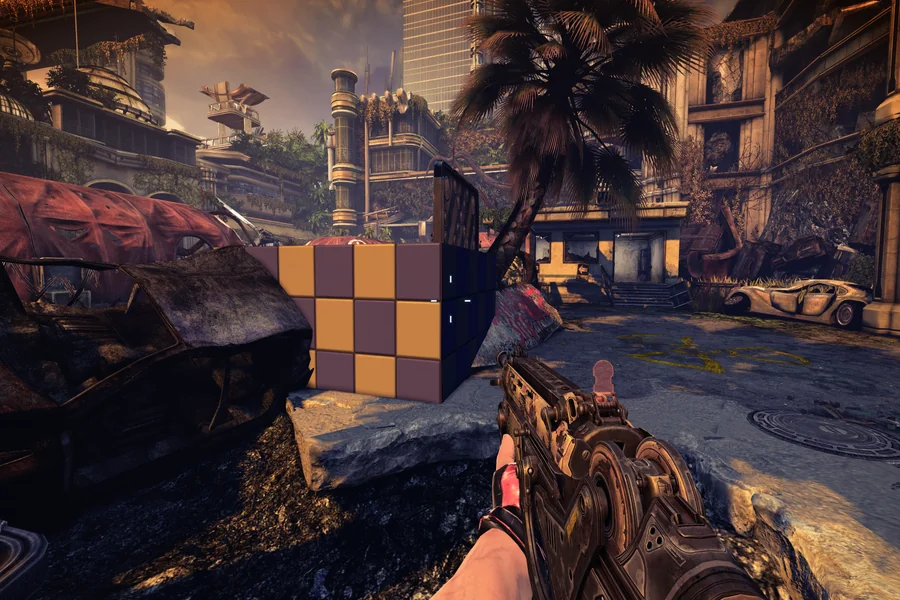
Online gaming has come a long way. From pixelated arcade classics to fully immersive, multiplayer universes, the landscape of gaming has evolved rapidly, and with it, the genres that dominate our screens. Today, online gaming is more than just a pastime; it’s a cultural force, a social hub, and even a training ground for skills that can translate into real life. Understanding the evolution of these genres and their impact reveals how gaming is shaping the future not only for entertainment but also for the ways we think, connect, and create.
Looking back, role-playing games (RPGs) set the foundation for immersive storytelling in digital spaces. From a narrative perspective, RPGs allow players to step into someone else’s shoes, make meaningful choices, and explore worlds built with incredible depth. Modern RPGs are no longer single-player experiences; online RPGs connect thousands of players simultaneously, creating sprawling communities. The genre fosters creativity, empathy, and strategic thinking as players navigate quests, alliances, and rivalries. From casual gamers enjoying weekend adventures to professional players mastering intricate game mechanics, RPGs demonstrate that story-driven gameplay can teach patience, problem-solving, and collaboration.
On the other end of the spectrum, competitive shooters and battle arenas exemplify speed, precision, and adaptability. From the perspective of a professional esports situs gacor player, these genres are arenas for honing real-world skills. Communication, decision-making under pressure, and teamwork are essential, and the lessons learned can translate into careers in coaching, streaming, or even management. Competitive shooters also illustrate the social power of gaming: friends form teams, strangers become allies, and victories are celebrated collectively. The high-stakes nature of these games keeps the adrenaline flowing and pushes players to continually refine their strategies.
Survival games have carved out their own niche, appealing to thrill-seekers and problem solvers alike. From a risk-taking perspective, survival games teach resource management, adaptability, and long-term planning. Players must monitor environments, anticipate challenges, and respond quickly to threats skills that mirror real-world problem-solving. The unpredictable nature of survival games encourages experimentation and resilience, showing that gaming can train not only reflexes but also mental fortitude.
Strategy and simulation games appeal to planners and analytical thinkers. Managing empires, running cities, or orchestrating complex systems requires critical thinking, patience, and foresight. From a strategic viewpoint, these games provide a digital sandbox for testing ideas and observing outcomes. Players learn to balance short-term gains with long-term stability, mirroring skills valuable in business, finance, and leadership. These genres demonstrate that gaming is not just entertainment; it can be a cognitive workout, sharpening decision-making and situational awareness.
Casual and mobile games are often underestimated, but from the perspective of accessibility, they play a huge role in the evolution of online gaming. These games make digital play effortless, fitting into short breaks or commutes. They introduce millions to gaming, build basic problem-solving skills, and provide social engagement through cooperative or competitive play. Casual titles may not offer the depth of RPGs or shooters, but they create a broad foundation for community, social interaction, and lifelong gaming habits.
Indie games bring innovation to the forefront, pushing boundaries and experimenting with mechanics, aesthetics, and narratives. From a creative perspective, indie titles are laboratories of imagination. Players encounter ideas and storytelling techniques not found in mainstream games, sparking discussion and inspiring creativity. Indie games often cultivate small but passionate communities where collaboration, critique, and shared experiences thrive, proving that innovation in link slot thailand gaming is as important as competition or strategy.
Virtual reality (VR) and augmented reality (AR) represent the cutting edge of online gaming evolution. From a technological perspective, these genres immerse players in worlds where spatial reasoning, hand-eye coordination, and collaboration reach unprecedented levels. VR and AR expand the definition of gaming, turning it into a physical, cognitive, and social experience simultaneously. These technologies hint at a future where gaming can enhance learning, teamwork, and even career skills, blurring the line between virtual and real-world achievements.
Socially, multiplayer and cooperative games continue to redefine human connection. From a sociological perspective, these genres demonstrate how digital spaces can foster real bonds. Friends meet in virtual worlds, strangers form alliances, and communities grow around shared goals and experiences. Online gaming has become a platform for cultural exchange, mentorship, and lifelong friendships. The social aspects of gaming show that these genres are not just shaping how we play they’re shaping how we connect.
The evolution of online gaming genres also reflects broader cultural and technological trends. Cross-platform compatibility, cloud gaming, and high-speed internet allow players to participate anywhere, anytime. This accessibility has democratized gaming, making it a truly global phenomenon. Genres that embrace social interaction, creativity, and competition are thriving because they align with how people want to engage digitally: collaboratively, dynamically, and meaningfully.
Looking forward, the genres that are shaping the future are those that balance innovation, social connection, and skill development. RPGs, competitive shooters, survival challenges, strategic simulations, and immersive VR/AR experiences are not just entertainment they are platforms for growth, creativity, and real-world skill building. Players are learning to communicate effectively, think strategically, adapt quickly, and work collaboratively, all while enjoying the thrill of digital play.
In conclusion, the evolution of online gaming is far from linear. Each genre contributes uniquely to the way people play, learn, and interact. From RPGs to survival games, indie experiments to competitive arenas, online gaming offers experiences that entertain, challenge, and connect players across the globe. The lessons learned in these virtual spaces creativity, strategy, social skills, and resilience extend into real life, proving that online gaming is more than a hobby. It’s a window into the future of human interaction, cognitive growth, and digital culture.
In 2026, the most successful genres are those that merge accessibility with depth, competition with collaboration, and fun with skill development. They show that online gaming is not static; it evolves with the players, the technology, and the culture. For anyone curious about the future of gaming, exploring these genres is like stepping into the next chapter of a story that’s still being written one controller click at a time.
