

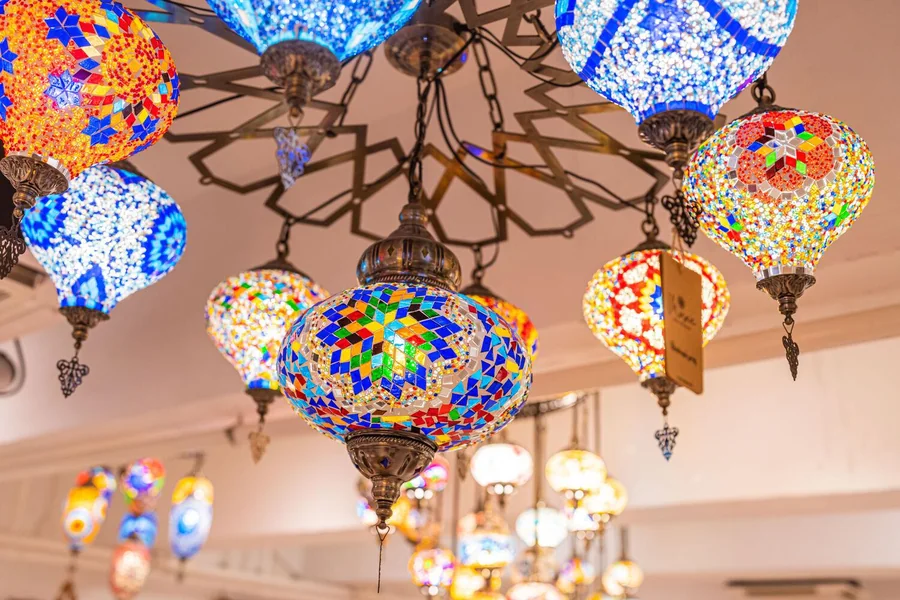
Few decorative items capture the enchanting spirit of the East like Turkish mosaic lamps. With their intricate glasswork, vivid colors, and radiant glow, these lamps are not merely lighting fixtures—they are works of art, steeped in centuries of history and tradition. From the bustling bazaars of Istanbul to contemporary homes around the world, Turkish mosaic lamps have become synonymous with beauty, craftsmanship, and cultural heritage.
A Historical Journey
The origins of Turkish mosaic lamps trace back to the Ottoman Empire, which spanned from the late 13th century until the early 20th century. During this era, Istanbul, then called Constantinople, was a hub of art, trade, and culture. Craftsmen, inspired by Islamic art and Byzantine mosaics, began experimenting with small pieces of colored glass and beads to create decorative patterns. These patterns often drew upon floral motifs, geometric designs, and calligraphy, all central elements in Ottoman art.
The craft was originally practiced in artisan workshops, passed down through generations. Each lamp represented not only functional lighting but also a reflection of the artisan’s skill, creativity, and patience. Unlike mass-produced items, every Turkish mosaic lamp is unique, often carrying subtle differences even among lamps following the same pattern.
Crafting the Magic
Creating a Turkish mosaic lamp is a meticulous process that combines both artistic flair and technical precision. The process typically begins with designing a pattern, which may be geometric, floral, or abstract. The design is then transferred onto a base, usually made of metal or glass, which serves as the lamp’s frame.
Next comes the cutting and arranging of the glass pieces. These pieces, often hand-cut and polished, vary in size, shape, and color. Artisans place each fragment individually according to the design, often using adhesive or mortar to secure them. Tiny beads or crystals may be added for extra detail. Once the mosaic is complete, a translucent layer of resin or grout is applied to protect the glass and give the lamp a smooth finish. Finally, the lamp is fitted with wiring and a bulb, which brings the colors and patterns to life when illuminated.
What makes these lamps so captivating is the interplay of light and color. When switched on, the lamp projects intricate patterns across walls and surfaces, creating a warm, inviting ambiance that transforms any space. The effect can be both soothing and mesmerizing, reminiscent of the Ottoman palaces where such lamps were originally displayed.
Aesthetic Appeal and Cultural Significance
Turkish mosaic lamps are celebrated not only for their craftsmanship but also for their aesthetic versatility. They come in various shapes and sizes, including hanging lamps, table lamps, floor lamps, and lanterns. The glass pieces range from rich reds, blues, and greens to soft amber, pink, and violet hues. Each combination conveys a different mood: deep reds and oranges evoke warmth and energy, while blues and greens create a calming, serene environment.
Beyond their visual appeal, these lamps carry cultural significance. In Turkish and Middle Eastern culture, light has always symbolized guidance, spirituality, and hospitality. Displaying a mosaic lamp in the home is considered a gesture of welcome and care for guests. The lamps are also used in cafes, restaurants, and hotels to create an authentic, culturally rich atmosphere. They serve as reminders of a storied past while seamlessly blending into modern interiors.
Global Popularity and Modern Adaptations
Over the past few decades, Turkish mosaic lamps have gained global popularity. Tourists visiting Istanbul’s famous Grand Bazaar often leave with a lamp or two as a souvenir, bringing a piece of Ottoman artistry into homes worldwide. Interior designers appreciate these lamps for their ability to add character and warmth to both traditional and contemporary spaces.
Modern adaptations have expanded the design possibilities. Some lamps incorporate LED lighting, offering energy efficiency and longer life. Others experiment with minimalist or abstract patterns, appealing to contemporary tastes while retaining the essence of traditional mosaic work. Despite these innovations, the core craftsmanship remains unchanged: precision cutting, careful placement, and the transformative power of light.
Collecting and Caring for Turkish Mosaic Lamps
For enthusiasts and collectors, Turkish mosaic lamps are more than decorative objects—they are treasures. Collectors often seek antique lamps, which can be rare and highly valuable due to their age, craftsmanship, and historical provenance. Authentic lamps bear subtle markers of handcrafting, such as irregularities in the glass or minor asymmetry in the pattern. These imperfections are celebrated as signs of authenticity rather than flaws.
Proper care ensures that these lamps retain their beauty for generations. They should be cleaned gently with a soft cloth, avoiding abrasive cleaners that could damage the glass or grout. Bulbs should be chosen according to recommended wattage to prevent overheating. When handled with care, Turkish mosaic lamps can last decades, maintaining their vibrant colors and luminous charm.
Interior Design and Lighting Impact
In interior design, Turkish mosaic lamps are versatile statement pieces. A single hanging lamp can serve as the focal point of a room, casting colorful patterns across the ceiling and walls. A pair of table lamps can add symmetry and elegance to a living room or bedroom. Floor lamps, on the other hand, can illuminate larger areas while creating an inviting atmosphere.
Designers also use these lamps to complement various styles, from bohemian and eclectic interiors to more minimalist or modern setups. The rich colors and intricate patterns introduce texture and warmth, enhancing the sensory experience of a space. In restaurants and cafes, these lamps are often suspended in clusters, creating a vibrant, cozy ambiance reminiscent of traditional Turkish tea houses.
Preserving Tradition in a Modern World
Despite their growing global popularity, the art of Turkish mosaic lamp-making remains rooted in tradition. Small workshops in Turkey, especially in cities like Istanbul and Gaziantep, continue to train artisans in the centuries-old techniques. By blending heritage with innovation, these craftsmen keep the legacy alive, ensuring that the delicate beauty of mosaic lamps continues to inspire future generations.
Supporting authentic artisans is crucial in preserving this cultural heritage. When purchasing a Turkish mosaic lamp, buyers are encouraged to seek handmade pieces rather than mass-produced imitations. Each genuine lamp not only illuminates a room but also carries a story of craftsmanship, history, and cultural identity.
Conclusion
Turkish mosaic lamps are much more than decorative lights—they are a fusion of art, history, and culture. Their intricate designs, radiant colors, and warm illumination create an enchanting atmosphere wherever they are placed. From their origins in the Ottoman Empire to their contemporary presence in homes and hotels around the world, these lamps symbolize craftsmanship, creativity, and the timeless allure of Turkish artistry.
Owning a Turkish mosaic lamp is like owning a piece of living history. It connects us to a rich cultural past while adding beauty and warmth to our everyday lives. Whether used as a centerpiece in a room, a collector’s treasure, or a thoughtful gift, these lamps continue to shine as a testament to the enduring power of art and light.
