

In today’s always-connected world, businesses rely heavily on technology to keep things running smoothly. From customer transactions to internal communication, nearly everything depends on systems staying online. When those systems fail, even for a short time, the impact can be immediate and costly.
That’s where data centers come into play, especially those designed for high reliability. They are built to keep operations running even when unexpected issues arise. For many businesses, they are the foundation of continuity and long-term stability.
Understanding Constant Uptime Needs
Modern businesses are expected to be available around the clock. Customers want instant access, and delays can quickly lead to frustration or lost opportunities. This is especially true for industries like banking, healthcare, and e-commerce, where downtime can disrupt essential services. In this environment, constant connectivity is no longer a luxury but a fundamental requirement.
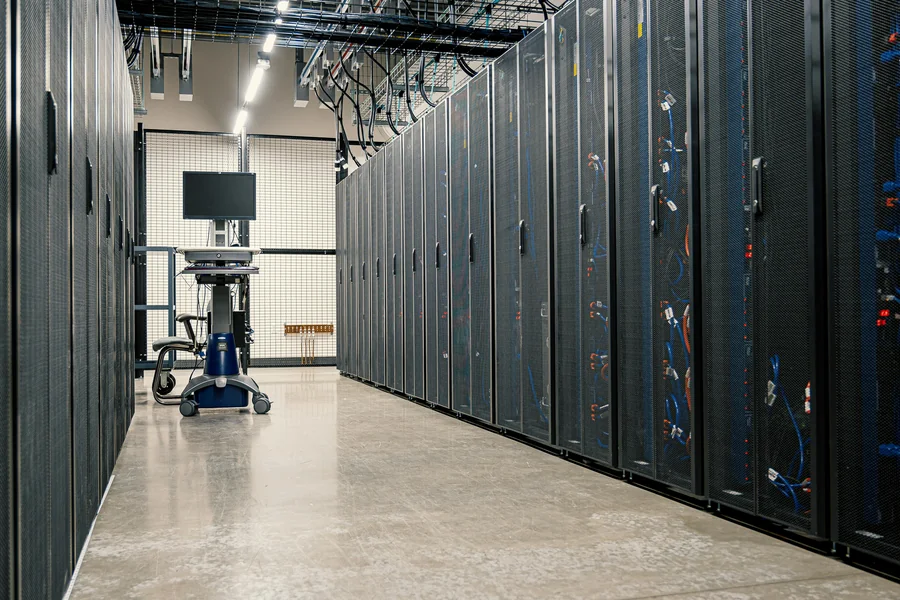
A mission critical service data center is designed to meet these high expectations. It uses backup systems and careful planning to reduce the risk of outages. In simple terms, it ensures that even if one part fails, another takes over without interruption. These facilities serve as the invisible backbone of the digital economy.
Preventing Costly Downtime Risks
Downtime doesn’t just affect operations—it can also impact revenue and reputation. Even a brief outage can lead to missed sales, lost data, or unhappy customers. Over time, these issues can damage trust and make it harder for a business to recover.
Reliable data centers help reduce these risks by providing layers of protection. These layers may include backup power, duplicate systems, and secure environments that keep equipment running smoothly. By preparing for problems before they happen, businesses can avoid major disruptions.
Supporting Data Security and Protection
Keeping data safe is just as important as keeping systems online. Businesses handle sensitive information every day, from customer details to financial records. If that data is lost or exposed, the consequences can be serious.
Mission critical data centers are built with strong security measures in place. This includes both physical protection, like secure facilities, and digital safeguards that prevent unauthorized access. Together, these features help protect valuable information and maintain trust with customers.
Adapting to Changing Business Demands
As businesses grow, their technology needs often change. More users, more data, and more services all require stronger and more flexible systems. Without the right infrastructure, it can be difficult to keep up with these demands. Scalability is the key to long-term success and ensures systems adapt to growing demands.
Mission critical data centers are designed to scale with business growth. This means they can handle increasing workloads without sacrificing performance or reliability. Having this flexibility allows companies to expand with confidence and fewer interruptions.
Building Confidence in Long-Term Operations
Business continuity isn’t just about handling emergencies. It’s also about creating a stable environment where operations can run smoothly over time. Knowing that systems are reliable allows teams to focus on growth instead of worrying about technical failures.
This sense of confidence can improve decision-making and overall efficiency. When businesses trust their infrastructure, they are better prepared to handle challenges and seize new opportunities. Stability becomes a key advantage in a competitive market.
Conclusion
Mission critical data centers play a vital role in keeping businesses running without interruption. They provide the reliability, security, and flexibility needed to support modern operations. In a world where downtime can have serious consequences, having the right infrastructure is more important than ever.
By investing in systems designed for continuous performance, businesses can protect their operations and build long-term resilience. In the end, it’s not just about technology—it’s about ensuring that your business can keep moving forward, no matter what challenges arise.
