

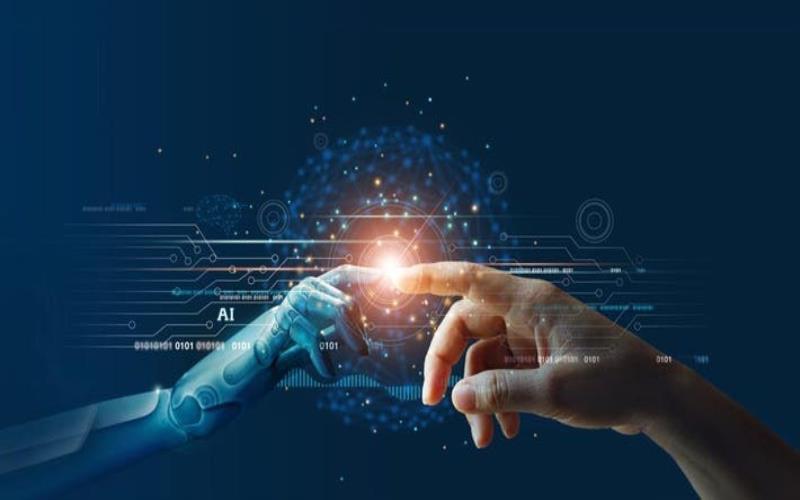
Have you ever wondered how the world of technology is changing how we create and view images? The advancements in AI tools for generating images are nothing short of remarkable. This article will explore the latest trends and technologies in this exciting field. Get ready to be amazed by the capabilities of modern AI and how it’s transforming the art of image creation!
The Rise of AI in Image Creation
Creating detailed and realistic images not long ago required skilled artists and photographers. Now, AI tools for generating images have changed the game. These tools use artificial intelligence to create images that are sometimes indistinguishable from those created by humans. They can produce a range of styles, from realistic photographs to artistic renderings.
This technology isn’t just a replacement for traditional methods; it’s an entirely new form of artistic expression. AI enables creators to bring images that were once imaginable to life, opening up new horizons in digital art and design.
Understanding the Technology Behind AI-Generated Images
But how do these tools work? The secret lies in algorithms and neural networks. These AI systems learn from a vast database of images. They understand patterns, colors, and shapes. This learning process enables them to generate new images that are both creative and realistic.
These neural networks, often called Generative Adversarial Networks (GANs), involve a complex process where two models work against each other to improve the final output. This continuous learning and competition within AI leads to increasingly sophisticated and nuanced image generation.
Applications in Various Fields
The use of AI in image generation is not limited to art. It spans various fields, including marketing, entertainment, and education. In marketing, for instance, these tools help quickly create visually appealing content. In entertainment, they are used for special effects and animation.
In education, AI-generated images provide realistic visuals for better learning experiences. The versatility of these tools allows for a wide range of applications, from creating virtual environments for training simulations to generating unique artwork for brand promotion.
Adobe says, “Non-designers can stretch their creativity (and powers of description) with prompts that will give them results in seconds. Designers can explore new ideas and follow their inspiration wherever it leads — without spending hours on the exercise.”
The Impact on Art and Creativity
One might think AI-generated images could limit human creativity, but the opposite is true. These tools are becoming a part of the artist’s toolkit, offering new ways to express creativity. Artists are using AI to explore styles and concepts that were previously impossible or too time-consuming.
This collaboration between humans and machines is producing a new genre of art that merges human imagination with the vast computational power of AI. It’s an exciting time for artists eager to experiment and push the boundaries of creativity.
Ethical Considerations and Challenges
With every technological advancement, there are ethical considerations. Regarding AI-generated images, issues like copyright, authenticity, and the potential for misuse are important topics. It’s essential to balance innovation with responsible use.
Ensuring that AI-generated content is used ethically and does not infringe on the rights of creators is a significant challenge. As these tools become more accessible, there’s also a risk of deepfakes and misinformation. Addressing these concerns is crucial for this technology’s healthy development and acceptance.
AI tools for generating images are not just a trend but a significant shift in how we create and interact with images. They offer endless possibilities for creativity, efficiency, and exploration. As we embrace these advancements, we’re stepping into a new era of image creation, where the lines between technology and art become beautifully intertwined. The potential of AI in image generation is vast and still largely untapped, promising a future where our visual experiences are enriched and transformed by the power of artificial intelligence.