
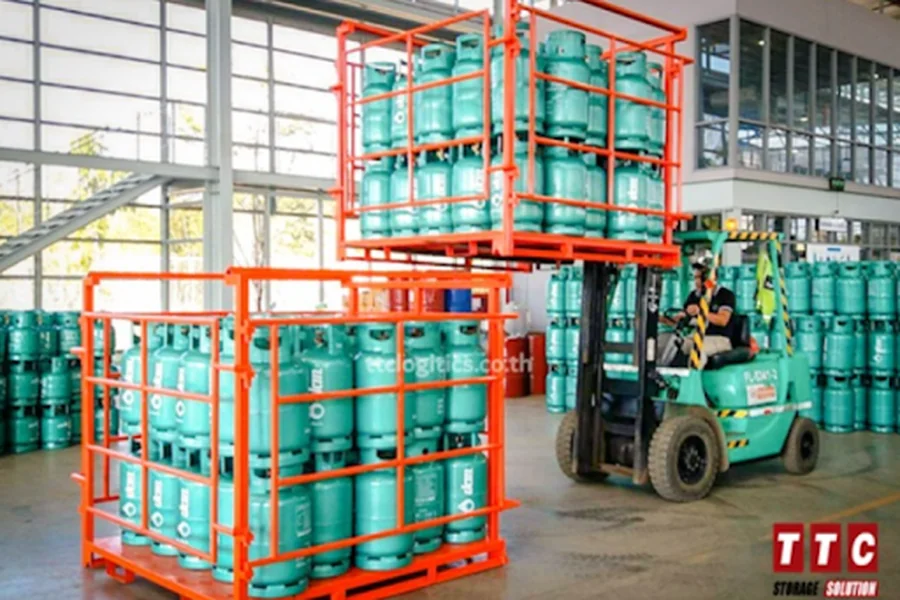
Introduction
These days, storage efficiency in the modern warehouse or distribution center is not simply a question of how much floor space you can use. Longer product preservation, technician protection and stock stability are equally important. One of the most popular solutions is stacking pallet storage—but if improperly executed, this can result in product damage, workplace accidents and expensive production downtime. This post will examine stacking pallet safety storage methods that exceed simple space-savings and deliver long-term protection for your stacks while keeping them working even longer.
Importance of Pallet Stacking Safety in Today’s World
Today’s warehouses process larger quantities, with more frequent turnover, of a broader variety of objects. When pallet stacking is wrong, product distortion, collapse hazards and unequal weight distributions increase with every hour—sometimes at night when no one is watching.
Safe stacking pallet practices help:
- Preserves items in a climate controlled environment while still being stored.
- Diminish workplace accidents and injury
- Protects pallets and packaging by keeping rain/snow out.
- Help bring warehouse to order and audit readiness
When you put safety first from the start, stacking pallets becomes an advantage rather than a liability.
Load Capacity and Weight Distribution Explained
Overloading is one most frequent reasons for a pallet failure. All pallets have a dynamic load (load in motion) and static load (stationary load) limit. Abusing these limits can result in damage to the pallet and/or products being transported.
Guidelines for Load Shedding:
- Be sure to check the pallet load ratings before stacking
- Spread the load on its base evenly over the entire face of a pallet.
- Do not put heavy objects in the middle of the central portion and 4 corners.
- Store heavy pallets on the bottom, if stacking vertically.
Adhering to these principles will ensure Stacking Pallet systems are more stable over time.
Selecting the Perfect Pallet for Stacking Safely
Pallets are not one size fits all. The type of pallet chosen has a significant impact on the safety of storing material long-term.
Common Pallet Options:
- Wooden pallets: Cheap and easy to come by, but can warp over time
- Plastic Pallets: Sturdy, you can stack them as high as needed and they are not a moisture concern.
- Metal Pallets: Very strong and ideal for heavy or valuable goods
Durability and uniformity become more important than initial cost when considering long-term stacking pallet storage.
Appropriate Stack Design for High Stability
Loading pattern is highly influencing the stability of the load. Arbitrary stacking leads to variable shifting and potential collapse with the passage of time.
Recommended Stacking Patterns
- Column stacking: The easiest and strongest stacking system, each box locks a column of boxes together directly into the Pallet Pal divider grid for vertical strength.
- Interlocking Stacking: Provides lateral stability for high stacking, alternating box direction perpendicular to each other.
- Pyramid stacking: Stack effectively in truck and give product the support it needs to avoid a shift in direction while also taking care of top heavy loads with non-frient regular shipments
Opting for the right stacking pallet pattern will vary according to product form, weight and storage duration.
Environmental Considerations for Long-Term Storage of Pallets
Pallets that are perfectly stacked may fail if environmental conditions are overlooked. Temperature, humidity and air movement all affect pallet strength and product condition.
Environmental Safety Tips:
- Keep pallets in dry, well-ventilated places
- Do not touch damp or damp floors
- Utilize pallet supports, or racks in higher levels of humidity
- Regularly inspect for mold, warping or corrosion
With these factors under control, stacked pallet systems can provide stability and protection for months or even years.
Training of Workers and Safety Protocols
Pallet stacking accidents still occur as a result of human mistake. Good training means your staff know what is safe as well as expedient.
Key Training Focus Areas:
- Maximum stack height guidelines
- Proper lifting and positioning techniques
- Inspecting pallets with the naked eye
- Emergency response procedures
A well-trained crew keeps risk low and the success rate high when stacking pallet storage systems.
Improving Safety with Pallet Accessories
Other devices can contribute in a significant way to increasing safety of stacking of pallets, without the need for major modifications to infrastructure.
Useful Accessories:
- Pallet collar system to avoid product slip away
- Stretch wrap or strapping to stabilize your load
- Slip sheets to minimize friction when stacking
- Corner boards to protect the edges
These accessories strengthen stacked pallet configurations and deliver added protection long-term.
Regular Inspections and Maintenance
Long-term storage requires ongoing attention. Pallets and stacked loads are to be regularly examined for early signs of instability.
Inspection Checklist:
- The condition of the pallet (whether cracked or damaged)
- Leaning or uneven stacks
- Compression damage to packaging
- Evidence of infestation or moisture damage
Preventive maintenance is a vital step to protect the investment of stacking pallet systems.
Conclusion: Safe Stacking Pallet Storage Is an Investment That Pays Over Time
Efficient stacking pallet storage is not limited to taking advantage of vertical height: it’s about safeguarding products, people and practices for years to come. Through proper awareness of load limits, selection of the best pallets, controlling the stability of stacks, keeping watch of environmental factors and enforcing safe practises when storing all types of goods; pallet rack users can ensure a safer way of stored goods.
When properly utilized, all the best pallet safety programs were not meant to be end in and of themselves, but simply a means towards increasing long-term logistics sustainability – more profits less losses.