

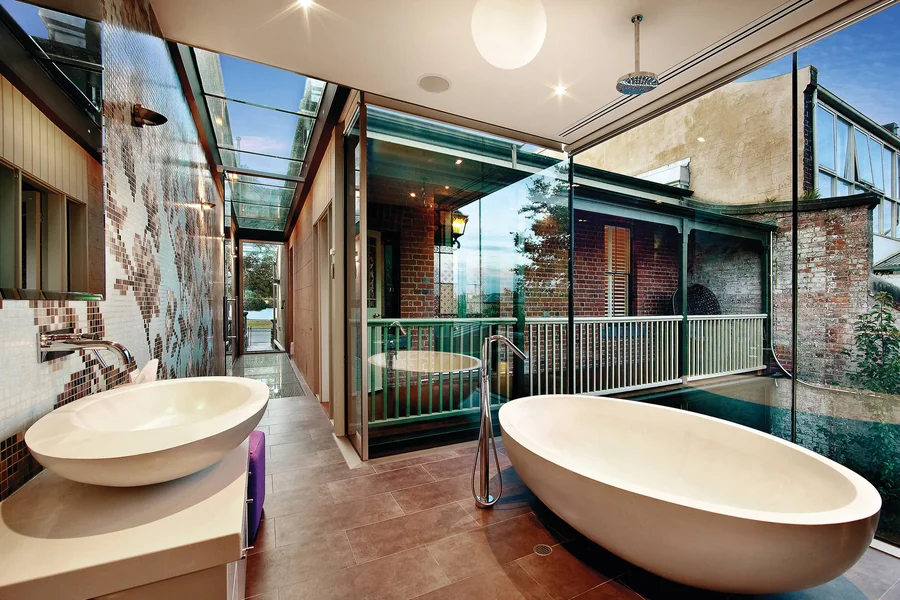
The bathroom, once considered a purely functional space, has evolved into a sanctuary of comfort, wellness, and style. Modern technology has played a pivotal role in this transformation, with electronic components redefining how we experience hygiene, relaxation, and convenience. From intelligent lighting systems to advanced water management solutions, electronic innovations have made the bathroom a hub of efficiency, luxury, and sustainability.
Smart Faucets and Showers: Precision and Efficiency
One of the most noticeable changes in modern bathrooms is the integration of electronic faucets and showers. These devices offer precise control over water temperature and flow, often through touchless or digital interfaces. Motion-sensor faucets, for instance, reduce water waste by automatically stopping the flow when hands are removed. Similarly, electronic showers can maintain a consistent temperature and even allow pre-programmed profiles for different users, ensuring a personalized and comfortable experience.
Beyond convenience, these smart fixtures contribute to sustainability. With water-saving modes and real-time monitoring of usage, electronic faucets and showers help reduce both water and energy consumption. Many models now integrate with home automation systems, allowing users to control bathroom water settings remotely via smartphones or voice assistants.
Intelligent Lighting: Creating Ambience and Functionality
Lighting is no longer just about visibility; it’s about mood, design, and wellness. Electronic lighting solutions in modern bathrooms combine energy efficiency with aesthetic appeal. LED lights, often paired with dimmers or color-changing capabilities, allow users to tailor the ambiance for morning routines, relaxing baths, or nighttime use.
Some systems even feature circadian lighting technology, which adjusts the color temperature of light to match natural daylight patterns, promoting a sense of well-being. Motion-activated lighting not only adds convenience but also improves safety, especially for nighttime visits. Integrating these systems with smart home hubs ensures a seamless, customizable experience.
Heated Surfaces and Towel Warmers: Comfort Meets Technology
Modern bathrooms increasingly feature heated floors, mirrors, and towel racks. These electronic components offer comfort while preventing moisture-related issues, such as condensation on mirrors. Heated floors, often controlled via smart thermostats, provide consistent warmth throughout the space, enhancing the overall bathing experience.
Electronic towel warmers are both functional and luxurious. Many models come with programmable timers, ensuring towels are perfectly warm and dry when needed. These systems are energy-efficient, consuming minimal power while delivering maximum comfort, and they integrate effortlessly into the broader ecosystem of smart bathroom electronics.
Advanced Toilets: Hygiene and Convenience Redefined
Electronic toilets are perhaps the most transformative innovation in modern bathrooms. Beyond basic flushing, these devices offer features such as bidet functions, heated seats, automatic lids, and deodorizing systems. Touchless flush systems improve hygiene, while integrated sensors can detect occupancy and adjust lighting, ventilation, or water use accordingly.
Many homeowners find comfortable Electronic Bidet Seats to be a game-changer, combining hygiene, warmth, and convenience in one sleek design. Smart toilets often include water efficiency features, using minimal water per flush while maintaining effective performance. Some models even track water usage over time, helping homeowners reduce consumption and detect potential plumbing issues early. This combination of comfort, hygiene, and sustainability exemplifies the impact of electronic components on modern bathroom design.
Ventilation and Air Quality Management
A modern bathroom is not complete without efficient air circulation and humidity control. Electronic exhaust fans and ventilation systems are designed to maintain optimal air quality while preventing mold and mildew growth. Advanced models include humidity sensors that automatically adjust fan speed based on real-time measurements, reducing energy waste and maintaining a comfortable environment.
Some smart ventilation units also integrate air purification and aromatherapy functions, enhancing the bathroom’s overall atmosphere. By linking these systems to smart home controls, users can schedule or remotely adjust ventilation, ensuring a consistently pleasant and healthy space.
Connectivity and Home Integration
A defining feature of modern bathroom electronics is connectivity. Many components now integrate seamlessly with smart home ecosystems, enabling centralized control through apps or voice commands. For example, users can adjust lighting, water temperature, and ventilation from a single interface, even when away from home.
This level of integration allows for tailored routines and automation. Imagine a bathroom that warms the floor, starts the shower at the perfect temperature, plays your favorite morning playlist, and sets the lighting to energize your day—all triggered automatically when you enter. This convergence of convenience, comfort, and personalization represents the future of bathroom technology.
Sustainability Through Smart Technology
Beyond comfort and convenience, electronic components in modern bathrooms contribute to sustainability. Water-saving faucets and showers, energy-efficient LED lighting, and automated ventilation reduce resource consumption. Smart monitoring systems provide real-time feedback on energy and water usage, empowering homeowners to make environmentally conscious decisions.
As manufacturers continue to innovate, sustainability will remain a core consideration in bathroom electronics design. Materials, energy management, and waste reduction strategies are increasingly integrated into these systems, creating bathrooms that are not only luxurious but also responsible.
Conclusion: The Bathroom of Tomorrow
Modern bathrooms are no longer merely functional spaces; they are smart environments that blend technology, design, and sustainability. Electronic components—from touchless faucets to intelligent lighting, heated surfaces, advanced toilets, and integrated ventilation—enhance comfort, efficiency, and hygiene. Connectivity and automation add a layer of convenience that aligns with contemporary lifestyles, while sustainability-focused innovations reduce environmental impact.
The bathroom of tomorrow is already here: a space that caters to personal wellness, embraces modern aesthetics, and leverages technology to create an intelligent, comfortable, and eco-conscious environment. As electronic components continue to advance, the line between functionality and luxury in bathrooms will blur even further, offering homeowners an unmatched combination of style, innovation, and sustainability.