

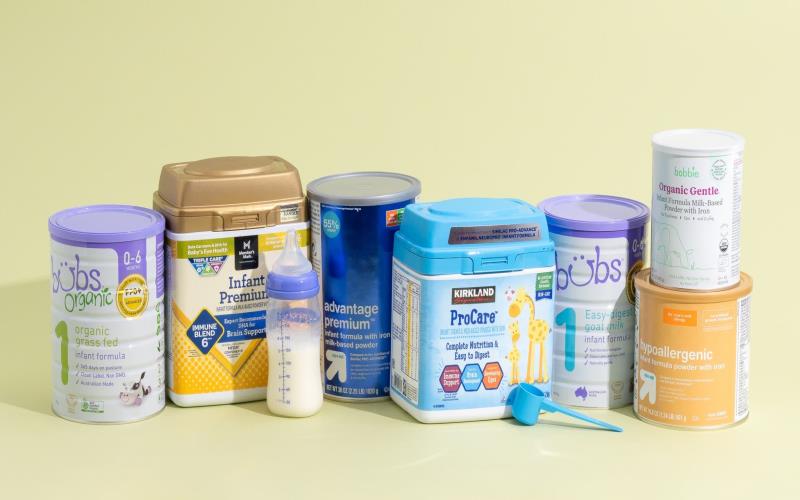
Hypoallergenic formula is a type of infant formula designed for babies who have allergies or sensitivities to certain ingredients commonly found in traditional formulas. These formulas are specially formulated to be gentle on the digestive system and reduce the risk of allergic reactions. They are often recommended for babies who have been diagnosed with cow’s milk protein allergy, lactose intolerance, or other food allergies. Hypoallergenic formulas come in various types, each with its own unique composition and benefits. In this article, we will explore the different types of hypoallergenic formulas available on the market and discuss their specific characteristics and uses.
Hydrolyzed Protein Formula
Hydrolyzed protein formula is a type of hypoallergenic formula that contains proteins that have been broken down into smaller, more easily digestible fragments. This process, known as hydrolyzation, helps to reduce the risk of allergic reactions in babies who are sensitive to intact proteins. Hydrolyzed protein formulas are often recommended for babies with cow’s milk protein allergy or other food allergies. These formulas are also beneficial for babies with gastrointestinal issues, as the partially digested proteins are less likely to cause digestive discomfort. Some hydrolyzed protein formulas are further classified as extensively hydrolyzed, meaning the proteins are broken down into even smaller fragments, making them suitable for the most sensitive babies.
Hydrolyzed protein formulas are available in both ready-to-feed and powdered forms, making them convenient for parents to use. While they may be more expensive than traditional formulas, many parents find that the benefits of reduced allergic reactions and improved digestive comfort outweigh the cost. It is important to note that not all hydrolyzed protein formulas are the same, and some may be more suitable for certain babies than others. Consulting with a pediatrician or allergist can help parents determine which hydrolyzed protein formula is best for their baby’s specific needs.
Amino Acid-Based Formula
Amino acid-based formula is another type of hypoallergenic formula that is designed for babies with severe food allergies or intolerances. These formulas contain individual amino acids, which are the building blocks of proteins, making them the least allergenic option for babies with extreme sensitivities. Amino acid-based formulas are often recommended for babies who do not tolerate hydrolyzed protein formulas or have multiple food allergies. They are also beneficial for babies with conditions such as eosinophilic esophagitis, a chronic allergic disease that affects the esophagus. For more insights on specialized dietary needs, visit allusamenu.
Amino acid-based formulas are typically more expensive than other types of hypoallergenic formulas due to the complex manufacturing process and high-quality ingredients. However, they are considered the gold standard for managing severe food allergies in infants and can provide much-needed relief for babies who struggle with feeding issues. These formulas are available by prescription and should be used under the guidance of a healthcare professional. While amino acid-based formulas may not be necessary for all babies with allergies, they can be life-changing for those who require them.
Soy-Based Formula
Soy-based formula is a hypoallergenic alternative to traditional cow’s milk-based formula and is made from soy protein isolate. It is often recommended for babies who have cow’s milk protein allergy or lactose intolerance, as well as those who follow a vegetarian or vegan diet. Soy-based formulas provide complete nutrition for infants and are fortified with essential vitamins and minerals to support healthy growth and development. While soy-based formula can be a suitable option for some babies with allergies or sensitivities, it is important to note that some infants who are allergic to cow’s milk protein may also react to soy protein.
Soy-based formulas are widely available and come in both powdered and ready-to-feed forms, making them convenient for parents to use. They are often more affordable than other types of hypoallergenic formulas, making them a practical choice for families on a budget. However, it is important for parents to consult with a pediatrician before switching to soy-based formula, as it may not be suitable for all babies with allergies or intolerances. Additionally, some experts recommend caution when using soy-based formula for male infants due to concerns about potential hormonal effects, so it is important to weigh the potential risks and benefits before making a decision.
Lactose-Free Formula
Lactose-free formula is designed for babies who have lactose intolerance or difficulty digesting lactose, the natural sugar found in milk. Lactose intolerance is relatively rare in infants but can occur in some cases, leading to symptoms such as gas, bloating, and diarrhea. Lactose-free formula provides an alternative source of nutrition for these babies and is formulated to be gentle on the digestive system. These formulas are often made with cow’s milk protein but do not contain lactose, making them suitable for babies with lactose intolerance or sensitivity.
Lactose-free formulas are available in both powdered and ready-to-feed forms and are fortified with essential nutrients to support healthy growth and development. They are often recommended for short-term use while a baby’s digestive system matures or as a temporary solution for lactose intolerance. It is important for parents to consult with a pediatrician before using lactose-free formula, as other underlying issues may need to be addressed. Additionally, some babies with lactose intolerance may also have other food allergies or sensitivities that need to be taken into consideration when choosing a formula.
Elemental Formula
Elemental formula is a highly specialized type of hypoallergenic formula that contains individual nutrients in their simplest form, making it suitable for babies with severe food allergies or malabsorption issues. These formulas are often recommended for infants with conditions such as short bowel syndrome, cystic fibrosis, or severe gastrointestinal disorders that prevent them from tolerating traditional infant formulas. Elemental formulas provide complete nutrition in an easily digestible form and can be life-saving for babies with complex medical needs.
Elemental formulas are typically available by prescription and should be used under the guidance of a healthcare professional. They are more expensive than other types of hypoallergenic formulas due to their specialized composition and high-quality ingredients. However, they can provide essential nutrition for babies who cannot tolerate other types of formula and may be the only option for some infants with severe medical conditions. It is important for parents to work closely with their healthcare team to determine if elemental formula is necessary for their baby and to ensure that it is used safely and effectively.
Conclusion and Choosing the Right Hypoallergenic Formula
In conclusion, hypoallergenic formula comes in various types, each with its own unique composition and benefits. Hydrolyzed protein formula is designed for babies with mild to moderate food allergies or sensitivities and contains proteins that have been broken down into smaller fragments. Amino acid-based formula is suitable for infants with severe food allergies or intolerances and contains individual amino acids, making it the least allergenic option. Soy-based formula provides an alternative source of nutrition for babies with cow’s milk protein allergy or lactose intolerance and is made from soy protein isolate. Lactose-free formula is designed for babies with lactose intolerance or difficulty digesting lactose and provides an alternative source of nutrition without lactose. Elemental formula is a highly specialized option for infants with severe medical conditions that prevent them from tolerating traditional infant formulas.
When choosing the right hypoallergenic formula for your baby, it is important to consider their specific needs and consult with a pediatrician or allergist. Each type of hypoallergenic formula has its own unique characteristics and uses, and what works best for one baby may not be suitable for another. It is also important to consider factors such as cost, convenience, and potential risks when selecting a hypoallergenic formula. By working closely with your healthcare team and carefully evaluating your baby’s individual needs, you can make an informed decision about which hypoallergenic formula is best for your little one, just as dislyte encourages strategic thinking and tailored choices in its immersive gameplay.
