

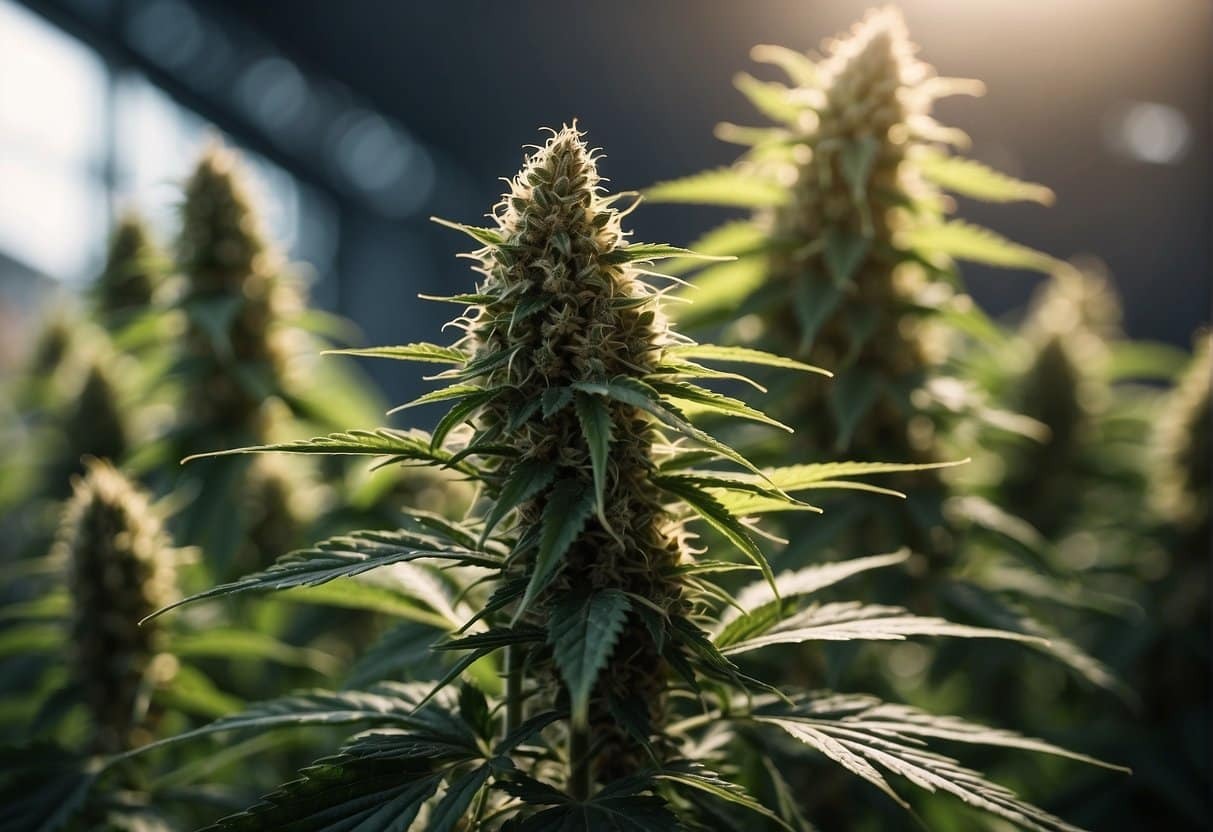
THCA, short for tetrahydrocannabinolic acid, is one of the most important yet often misunderstood compounds found in the cannabis plant. As interest in cannabinoids continues to grow, THCA has emerged as a major topic of discussion among enthusiasts, researchers, and wellness-focused consumers. This High Times–style guide to THCA explores what it is, how it works, and why it has become such a significant part of modern cannabis culture.
What Is THCA?
THCA is the naturally occurring, non-psychoactive form of THC found in raw and freshly harvested cannabis. In living plants, cannabis does not produce THC in large amounts. Instead, it creates THCA, which only converts into THC through a process known as decarboxylation. This transformation happens when cannabis is exposed to heat, such as when it is smoked, vaped, or cooked.
Because THCA has not yet been heated, it does not produce the euphoric or intoxicating effects typically associated with cannabis. This makes THCA unique among cannabinoids and appealing to those who want to explore cannabis without getting high.
The Science Behind THCA
The key difference between THCA and THC lies in their chemical structure. THCA contains an extra carboxylic acid group that prevents it from binding efficiently to CB1 receptors in the brain. These receptors are responsible for THC’s psychoactive effects. Once heat removes that carboxyl group, THCA becomes THC and gains its intoxicating properties.
This small molecular change creates a dramatic difference in how each compound interacts with the body, highlighting the complexity of cannabis chemistry.
THCA vs. THC
While THCA and THC are closely related, they serve different purposes. THC is well known for recreational use and certain medical applications due to its psychoactive effects. THCA, on the other hand, is non-psychoactive and does not impair mental clarity when consumed raw.
This distinction has made THCA increasingly popular among people who want the potential benefits of cannabis while remaining fully functional. It has also drawn attention from researchers studying cannabinoids that may offer therapeutic value without intoxication.
Potential Benefits of THCA
Research on THCA is still developing, but early studies suggest several promising properties. One of the most discussed potential benefits of THCA is its anti-inflammatory activity. Inflammation plays a role in many health conditions, and THCA may help regulate inflammatory responses through interaction with the endocannabinoid system.
THCA has also shown potential neuroprotective properties in early laboratory studies, meaning it may help protect nerve cells from damage. Additionally, research suggests THCA may help with nausea and appetite regulation, making it a compound of interest for digestive and appetite-related concerns.
Another area gaining attention is THCA’s antioxidant potential. Antioxidants help combat oxidative stress, which is linked to aging and cellular damage. While more clinical research is needed, these early findings contribute to the growing interest in THCA beyond its role as a THC precursor.
How THCA Is Consumed
To experience THCA in its natural form, it must be consumed without heat. One popular method is juicing raw cannabis leaves and flowers, often mixed with fruits or vegetables in smoothies. This allows users to ingest THCA while avoiding psychoactive effects.
Cold-processed tinctures, capsules, and extracts are also designed to preserve THCA. These products avoid heat during manufacturing to maintain the cannabinoid’s acidic structure.
High-THCA flower has become popular in some markets, but consumers should understand that smoking or vaping these products will convert THCA into THC, resulting in a traditional cannabis high. For those seeking non-psychoactive effects, raw or cold-extracted methods are essential.
Storage and Stability
THCA is sensitive to heat, light, and oxygen. Over time, improper storage can cause THCA to slowly convert into THC. To maintain potency, THCA-rich products should be stored in cool, dark, and airtight containers. Proper storage is especially important for users who want to avoid unexpected psychoactive effects.
Legal Status of THCA
The legality of THCA exists in a gray area and varies by location. In some regions, THCA derived from hemp is legal as long as it meets specific THC limits at the time of testing. However, because THCA can easily become THC, some regulators classify it similarly to THC.
Anyone interested in THCA should stay informed about local and state laws before purchasing or using THCA products.
Why THCA Matters
THCA represents a new chapter in cannabis education and innovation. It challenges the idea that cannabis use must involve intoxication and opens the door to alternative ways of interacting with the plant. As research expands and consumer awareness grows, THCA is becoming more than just a precursor to THC.
In true High Times fashion, THCA highlights the depth and diversity of cannabis culture. Whether you are a seasoned enthusiast or a curious newcomer, understanding THCA offers a deeper appreciation for the science, versatility, and future of cannabis.
