

Creating a successful restaurant involves more than serving great food, as the design and functionality of the space play a major role in shaping customer experience and supporting daily operations. Restaurant tenant improvement projects offer an opportunity to customize a commercial space so it better aligns with the unique needs of a dining establishment. Through careful planning, elements such as workflow efficiency and overall ambiance can be improved to create a more seamless and inviting environment.
Every design decision should strike a balance between practicality and visual appeal to ensure the space works as well as it looks. Understanding key improvement strategies can help restaurant owners make the most of their investment and avoid costly inefficiencies. With this in mind, the following tips highlight how to create a restaurant space that is both functional and welcoming.
Design a Comfortable and Welcoming Dining Area
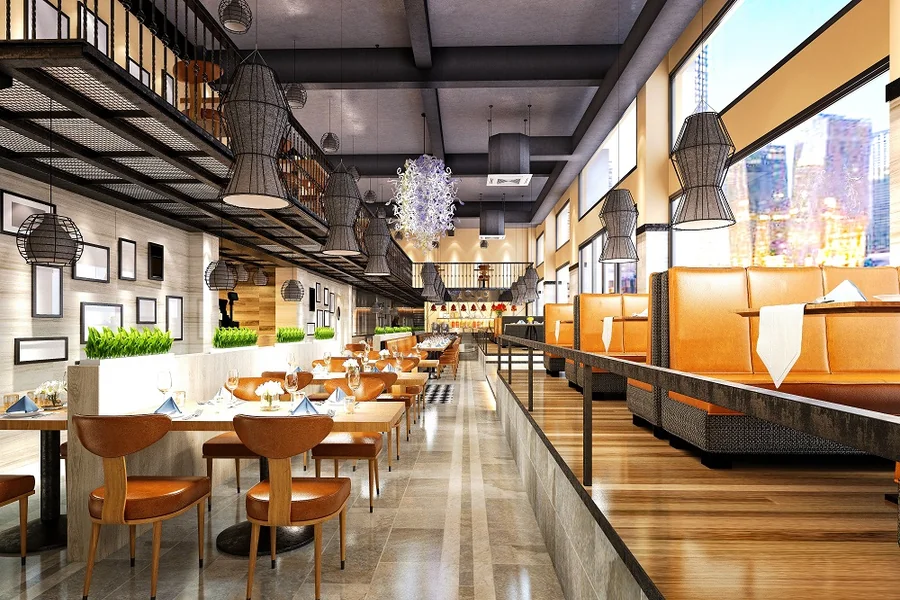
First impressions in a restaurant are often formed the moment guests enter the dining area, making it a central part of the overall experience. Comfortable seating and well-planned furniture arrangements help customers settle in and feel at ease right away. Lighting should complement the restaurant’s atmosphere, whether the aim is a casual, family-friendly environment or a more refined dining setting.
Decorative features can further enhance the space by adding character and reinforcing the restaurant’s unique identity. Maintaining a comfortable temperature throughout the year is also essential, as it directly affects how long guests choose to stay and how they perceive their visit. In addition, managing noise levels through thoughtful design choices helps create a calmer, more enjoyable dining environment.
Invest in Durable and Easy-to-Maintain Materials
Restaurants experience heavy daily use, so material selection plays a crucial role in long-term performance and upkeep. Countertops and wall finishes should be strong enough to handle constant frequent cleaning and general wear. Choosing materials that resist stains and moisture helps preserve a clean, professional appearance over time.
Easy-to-maintain surfaces can also lower ongoing maintenance costs and minimize operational disruptions. At the same time, durability does not have to come at the expense of design, as many modern options combine strength with visual appeal. Restaurant owners should carefully evaluate how different materials perform in real-world conditions before making final decisions. Thoughtful choices in this area can support both efficiency and long-term value for the business.
Focus on Kitchen Functionality
While materials shape durability and aesthetics, the kitchen determines how smoothly day-to-day operations run. As the operational heart of any restaurant, its layout should support a clear and efficient workflow for staff. Equipment placement needs to allow easy movement and reduce unnecessary steps during food preparation and service. Storage areas should be organized in a way that keeps ingredients and supplies accessible while minimizing clutter.
Adequate workspace is also essential to prevent congestion, especially during peak hours when demand is highest. Proper ventilation systems help maintain air quality and create a safer, more comfortable working environment for staff. Utility connections should be strategically planned to support all kitchen equipment without limiting functionality. A well-designed kitchen ultimately strengthens operational efficiency and supports consistent service quality.
Plan for Code Compliance and Accessibility
Building codes and accessibility requirements are critical considerations during restaurant tenant improvement projects. Compliance helps create a safe environment for employees and visitors. Accessibility features allow individuals with varying mobility needs to enjoy the space comfortably. Restaurant owners should review local regulations before beginning any renovations or construction work.
Working with experienced professionals can help identify potential compliance issues early in the process. Many contractors in this area, such as Slaten, are familiar with managing local building regulations and strict health code requirements in different commercial settings. They typically address these requirements from the beginning to help avoid unexpected expenses and potential setbacks during construction. This proactive approach can contribute to a smoother project timeline and help ensure the finished space is ready to support restaurant operations as intended.
Create Flexibility for Future Growth
Restaurant needs can evolve over time as customer preferences shift and business goals develop. For this reason, designing with flexibility in mind is essential to make future updates more practical and cost-effective. Modular furniture and adaptable layouts allow seating arrangements to be adjusted as needed without major disruption.
Utility systems should also be planned with enough capacity and accessibility to support potential equipment upgrades or operational changes. This kind of flexibility can extend to hosting special events, seasonal setups, or menu-driven adjustments in service style. By anticipating future requirements during the design stage, restaurant owners can reduce the likelihood of costly and extensive renovations later on.
Conclusion
Restaurant tenant improvement projects offer valuable opportunities to create spaces that support both customers and staff. Focusing on layout and functionality can improve daily operations while enhancing the dining experience. Compliance and accessibility should remain priorities throughout the planning process.
Future growth considerations can also help protect the long-term value of the investment. Every restaurant has unique requirements that should guide improvement decisions. Careful planning can help transform a commercial space into an efficient and welcoming environment. By applying these tips, restaurant owners can create spaces that contribute to lasting success.