

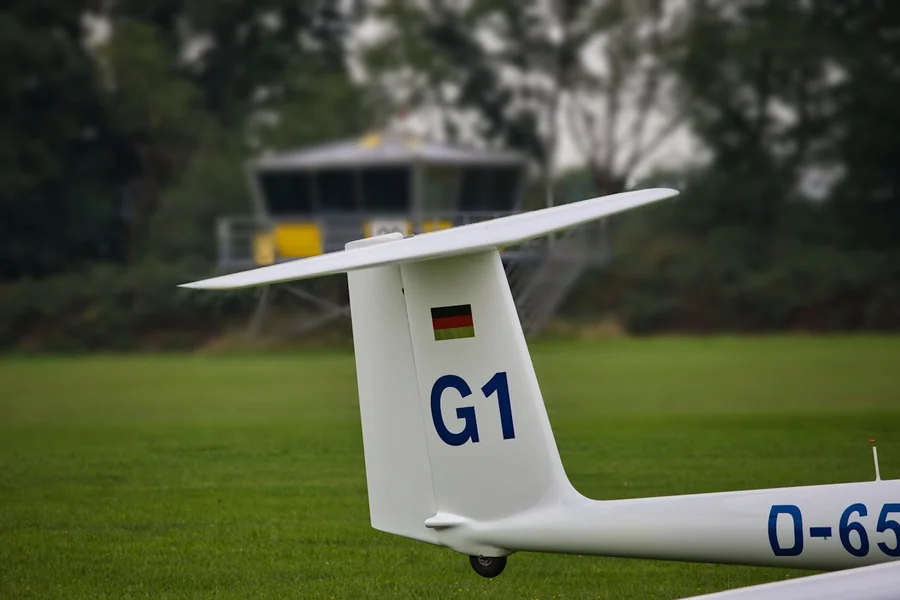
Flying a modern aircraft safely requires an incredible amount of behind-the-scenes engineering coordination. Every single component on an airplane plays a part in keeping the vehicle perfectly balanced in the sky.
Understanding how aviation teams manage weight distribution gives us a deeper appreciation for the complex mechanics of flight. Let us look closer at how high-density materials keep aircraft stable and where engineering teams look to find these specialized solutions.
Aerodynamic Balance and Center of Gravity
Maintaining a precise center of gravity is necessary for maintaining aircraft stability during takeoff and landing. Design teams often rely on heavy structural components like steel or dense composites to prevent the nose or tail from becoming dangerously heavy during flight.
External aerospace engineering consultancies provide balance calculation services to help operators analyze these critical mass requirements for different flight profiles.
This structural harmony secures predictable handling characteristics and prevents excessive aerodynamic drag on the airframe.
Wing Dynamics and Flutter Prevention
Wing structures experience intense vibrational forces known as flutter when moving through high-velocity air currents. Manufacturers place compact weights made from tungsten heavy alloy or stainless steel inside the wingtips to dampen these destructive oscillations.
If you’re on the hunt for these specialized parts, you’ll often see quality tungsten heavy alloy for sale from these metallurgical foundry services. Managing this specific wing edge mass guarantees that the aircraft remains stable during turbulent high-speed operations.
Control Surface Equilibrium
Flight control mechanisms require rapid response times to execute pilot commands with complete accuracy.
Engineers place dense balance weights like lead or carbon steel in elevators and ailerons to achieve neutral mechanical equilibrium.
Aviation part manufacturing services fabricate these exact counterweights to meet strict aerodynamic tolerances for flight safety. This localized mass placement reduces the physical force needed to actuate the controls during rapid maneuvers.
Helicopter Rotor Assembly Stabilization
Rotary wing aircraft face complex centrifugal forces that can cause dangerous cabin vibrations if left unchecked. Rotating assemblies utilize dense balancing components like tungsten heavy alloy or depleted uranium to smooth out the rotational forces.
Helicopter operators contract with precision aviation machining services to secure these perfectly balanced rotor components.
Proper mass alignment in the rotor head protects the transmission system from premature wear and mechanical fatigue.
Fuselage Space Constraints and Compact Mass
Modern aircraft cabins must maximize available cabin space for passengers and cargo layout options. When engineers need to add weight to correct the center of gravity, they select high-density options like tungsten heavy alloy, brass, titanium, or nickel alloys.\
Procurement teams acquire these specialized materials through commercial metal distribution services that handle aerospace-grade alloys. Using ultra-dense metals saves valuable room that would otherwise be consumed by bulky steel plates.
Tail Cone Ballast Integration
The rear section of an aircraft often requires additional weight to counterbalance a heavy forward engine configuration. Technical teams install modular weights containing tungsten heavy alloy or cast iron inside the tail cone to maintain the correct longitudinal balance.
These heavy modules are sourced through custom ballast fabrication services that cast metals into specific aerodynamic shapes.
Achieving the correct tail weight distribution prevents the nose from dipping excessively during slow flight conditions.
Landing Gear Housing Adjustments
Retractable landing gear systems alter the overall center of gravity when they move into the wheel wells after takeoff.
Design teams integrate dense balancing blocks made of tungsten heavy alloy or bronze near the gear pivot points to offset this shifting mass. Aircraft assembly facilities utilize specialized industrial forging services to manufacture these heavy pivot components.
This strategic weight placement keeps the aircraft stable during the critical transition phase directly following departure.
Fuel Tank Mass Alignment
Fuel tank assemblies require internal structural weights to counteract sloshing forces during steep banking maneuvers. Systems engineers mount dense anchor rings made of tungsten heavy alloy or specialized heavy polymers around the internal tank plumbing.
Aviation fuel system engineering services design and supply these specialized internal tank balancing components. This internal weight management prevents sudden shifts in fluid mass from disrupting the stability of the plane.
Avionics Bay Center of Gravity Controls
Concentrated groupings of electronic systems in the nose compartment can create a forward-heavy imbalance. Technicians balance this electronic load by installing heavy materials like tungsten heavy alloy or copper plates underneath the equipment racks. Maintenance facilities order these specialized balancing plates through contract electronic enclosure fabrication services. Proper stabilization of the avionics bay prevents electrical interference while maintaining the required physical equilibrium of the airframe.
Material Quality and Density Verification
Heavy ballast components must possess uniform density to perform reliably under high gravitational loads.
Quality teams examine materials like tungsten heavy alloy or heavy steel using advanced testing techniques like radiographic inspection or ultrasonic scanning to find hidden internal voids. Aerospace companies hire independent non-destructive material testing services to verify the internal structure of their high-density alloys.
Confirming the structural integrity of every weight prevents sudden material failure during high-stress flight maneuvers.
Aerodynamic Modifications and Structural Retros
Adding new cabin amenities or specialized communications gear can unintentionally disrupt the original factory balance of an aircraft. Engineers remedy these modifications by attaching external ballast pods containing tungsten heavy alloy or heavy steel plates to the exterior skin. Aircraft modification facilities partner with FAA-certified structural alteration services to safely integrate these supplementary weights.
Achieving a perfect balance in the sky is a continuous effort that involves advanced materials and expert support services. From the tiny weights in the wings to the software managing the fuel tanks, every part helps keep flight smooth and secure.
Knowing what goes into weight management helps underscore the immense dedication to safety shared across the aviation industry. Sourcing the right materials and expert guidance makes all the difference in keeping these incredible machines flying perfectly.