

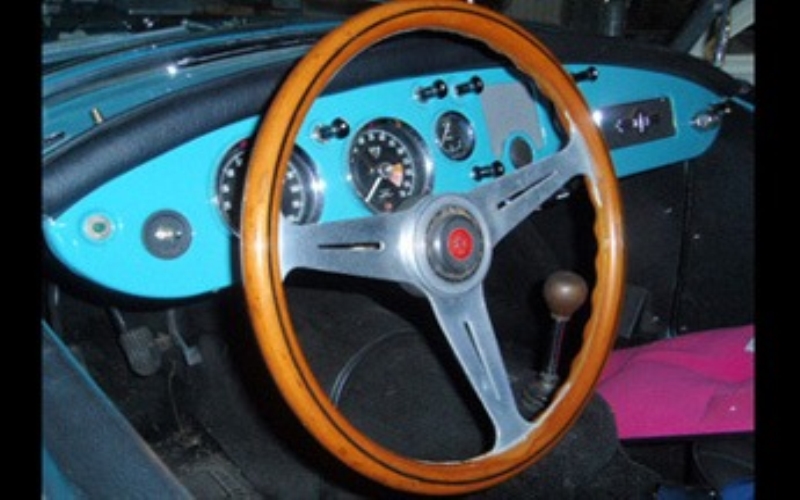
In the world of automotive restoration, few tasks are as satisfying and visually impactful as restoring a truck’s wheels. For vehicles manufactured between 1995 and 2010, many enthusiasts and owners face a common issue: steering wheel peeling. This guide aims to provide a comprehensive approach to restoring truck wheels from this era, focusing particularly on effectively addressing steering wheel peeling.
Understanding the Issue: Steering Wheel Peeling
Truck wheels from the late 20th century to the early 21st century often feature steering wheels made from materials that can degrade over time. One of the most common problems is the peeling of the steering wheel’s outer layer, typically composed of synthetic materials like polyurethane or leatherette. This peeling not only affects the aesthetics but also the grip and comfort during driving.
The causes of steering wheel peeling vary but are often linked to prolonged exposure to sunlight, temperature extremes, and general wear and tear from regular use. These factors degrade the materials, causing them to lose adhesion and peel away, leaving unsightly patches and potentially compromising the integrity of the steering wheel.
Steps to Restore Truck Wheels
Assessment and Preparation
Before diving into the restoration process, it’s crucial to assess the extent of the damage. Inspect the steering wheel closely to identify areas where peeling has occurred. Determine whether the underlying material is still intact and assess if any cleaning or pre-treatment is necessary.
Cleaning
Clean the steering wheel thoroughly to remove dirt, oils, and residues that may interfere with the restoration process. Use a mild automotive cleaner or a solution of soap and water along with a soft cloth or sponge. Ensure the surface is completely dry before proceeding.
Surface Preparation
For steering wheels with significant peeling, gently sand the affected areas using fine-grit sandpaper (around 320 to 400 grit). This helps smooth out rough edges and prepares the surface for the restoration product. Wipe away any dust with a clean cloth.
Restoration Products
Choose a high-quality steering wheel restoration kit designed for the specific materials of your truck’s steering wheel. These kits typically include adhesive solutions and materials to rebuild the surface layers. Follow the manufacturer’s instructions carefully, as application methods can vary.
Application
Apply the restoration product evenly to the affected areas of the steering wheel. Depending on the kit, you may need to build up layers to match the original texture and thickness. Allow each layer to dry completely according to the product’s drying times.
Finishing Touches
Once the restoration product has dried and cured, gently sand the repaired areas again if necessary to blend them seamlessly with the surrounding surface. Apply a protective coating or conditioner recommended for the steering wheel material to enhance durability and maintain a factory-like finish.
Regular Maintenance
To prolong the life of your restored steering wheel, practice regular maintenance. Keep the steering wheel clean and apply conditioning treatments periodically to protect it from UV rays and environmental factors.
Choosing the Right Restoration Products
When selecting a restoration kit, consider the type of material used in your steering wheel (such as polyurethane, leatherette, or genuine leather) and ensure the product is compatible. Look for reviews and recommendations from other truck enthusiasts to find a reputable brand known for producing durable and effective restoration solutions.
Additional Tips for Steering Wheel Restoration
In addition to the steps outlined above, here are some extra tips to ensure a successful steering wheel restoration:
- Temperature and Environment: Perform the restoration in a controlled environment with moderate temperature and low humidity to facilitate proper drying and curing of the restoration products.
- Professional Assistance: If you’re unsure about tackling the restoration yourself, consider seeking assistance from a professional automotive detailer or restoration specialist. They have the expertise and tools to handle more complex restoration projects.
- Protective Measures: After restoring the steering wheel, consider using a steering wheel cover or UV-blocking windshield shades when parking outdoors to minimize future sun damage.
- Matching Colors: Pay attention to color matching when choosing a restoration kit. Some kits offer a variety of color options to closely match your truck’s interior.
Conclusion
Restoring truck wheels from the 1995-2010 era, especially addressing issues like steering wheel peeling, requires attention to detail and the use of appropriate restoration techniques and products. By following the steps outlined in this guide and choosing quality restoration materials, you can revitalize your truck’s steering wheel and enhance both its appearance and functionality.
Whether you’re restoring a classic pickup truck or refurbishing a beloved workhorse, taking care of the steering wheel not only improves aesthetics but also contributes to a safer and more comfortable driving experience. Embrace the challenge of restoration and enjoy the satisfaction of preserving automotive history while steering confidently into the new millennium.
Remember, effective restoration is not just about fixing what’s broken—it’s about preserving the legacy of these iconic vehicles for years to come. With the right tools, techniques, and a passion for craftsmanship, your truck’s steering wheel can shine once more, free from the grip of steering wheel peeling. Take pride in your restoration efforts and enjoy the renewed beauty and functionality of your truck’s steering wheel for many miles ahead.
