

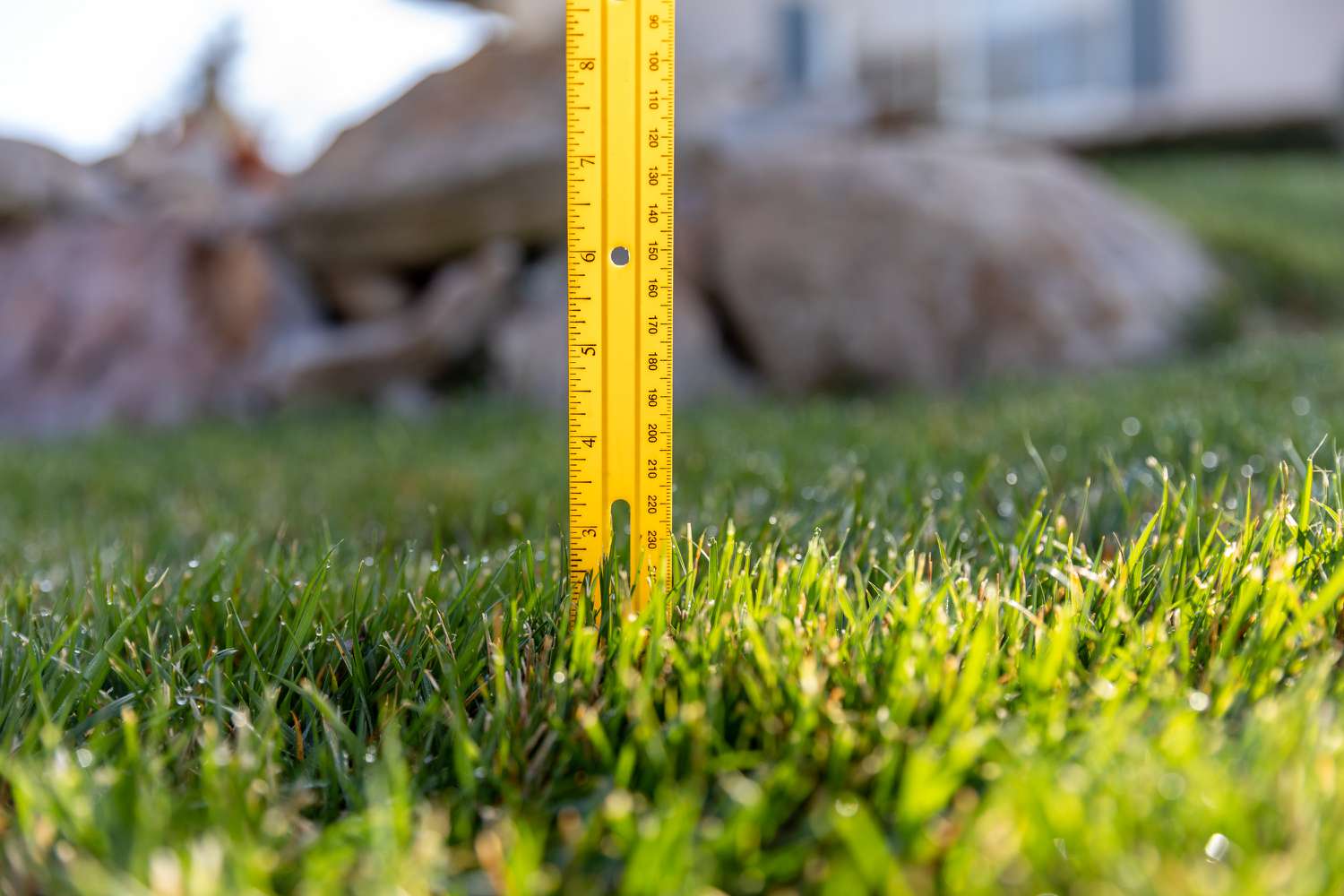
A lush, deep-green lawn is the pride of any homeowner. But many well-intentioned yard enthusiasts inadvertently sabotage their turf before the weekend even begins. The culprit? Setting the lawn mower blades too low.
It is easy to see why “scalping” the lawn is a common mistake. Cutting the grass as short as a putting green feels like a time-saver, theoretically extending the days between cuts. Scientifically, however, cutting your grass too short strips the plant of its primary energy source, stunts root growth, and invites weeds to take over.
Finding the ideal mowing height is the single most effective way to care for your lawn. This guide breaks down the science of grass height, outlines specific grass types, and introduces advanced cutting tools like the smart MOVA Lawn Mower to help achieve a professional-grade finish.
The Science of Lawn Mowing Height: Why It Matters
To understand why height matters, look at grass as a collection of individual plants rather than a green carpet. The blades of grass are leaves, and like all leaves, they rely on photosynthesis to convert sunlight into energy.
When you cut off too much of the leaf blade, you disrupt this process. The grass must deplete its underground energy reserves to rapidly rebuild its canopy, leaving little to no energy for root development. Short grass results in a shallow, weak root system that struggles to find water during summer droughts.
Conversely, maintaining a taller canopy yields major biological advantages:
- Deeper Root Systems: There is a direct, proportional relationship between the height of the grass blades and the depth of the roots. Taller grass creates deeper roots, making the lawn naturally drought-resistant.
- Natural Weed Suppression: Taller grass casts a shadow over the soil surface. This blocks sunlight from reaching hidden weed seeds, like crabgrass, preventing them from germinating.
- Moisture Retention: A thicker, taller lawn acts as a living mulch, shading the soil to slow down water evaporation and keep soil temperatures cool during hot summer days.
The Golden Rule: Never Violate the One-Third Rule
Before diving into specific grass species, every homeowner must memorize the fundamental law of lawn care: The 1-Third Rule.
The One-Third Rule: Never remove more than one-third of the total grass height during a single mowing session.
If your grass has grown to 3 inches tall, do not cut off more than 1 inch. Violating this rule stresses the plant, causes the lawn to turn a yellow-brown color, and leaves the grass highly vulnerable to disease and pest infestations. If the lawn gets away from you during a rainy week, bring it down to your target height gradually over multiple cutting sessions spaced a few days apart.
Choosing the Right Height for Your Grass Type
Not all turfgrasses are created equal. Cool-season grasses thrive in northern regions and prefer taller heights, while warm-season grasses dominate southern climates and generally handle shorter cuts.
Refer to this breakdown to determine the optimal cutting height for your yard:
Cool-Season Grasses (Northern Regions)
- Kentucky Bluegrass: 2.5 to 3.5 inches
- Tall Fescue: 3.0 to 4.0 inches
- Perennial Ryegrass: 2.5 to 3.0 inches
Warm-Season Grasses (Southern Regions)
- Bermuda Grass: 1.0 to 2.0 inches
- Zoysia Grass: 1.5 to 2.5 inches
- St. Augustine Grass: 3.0 to 4.0 inches
Note: Always adjust your target height based on the season. During the peak heat of summer, raise your cutting height by 0.5 inches to provide extra shade for the soil and protect the roots.
Pro Mowing Tips for a Flawless Yard
Achieving a healthy lawn requires pairing correct height targets with proper mowing techniques. Implementing these expert strategies will elevate your routine:
- Keep Your Blades Razor Sharp: Dull blades tear the grass instead of cutting it cleanly. Torn edges turn brown, ruin the look of the yard, and create open wounds where fungal diseases can enter. Inspect and sharpen your blades every 2 to 3 months.
- Mow When the Grass is Dry: Mowing wet grass causes the clippings to clump, blocking sunlight from reaching the turf below. Wet blades also bend easily, resulting in an uneven, ragged cut.
- Alternate Your Mowing Patterns: If you always mow in the same direction, your grass will lean over and develop deep wheel ruts in the soil. Switch up your route—moving horizontally one week and vertically the next—to encourage upright growth.
Precision Lawn Care with Advanced Technology
Manually measuring your grass and adjusting mechanical lever decks on traditional mowers can be tedious. This is where modern smart lawn care steps in.
Next-generation robotic solutions, such as the MOVA LiDAX Ultra Series, take the guesswork out of maintaining perfect grass height.
Electronic Height Adjustments
Rather than wrestling with heavy steel levers, the MOVA lawn mower offers precise, electronic cutting height adjustments ranging from 1.2 to 3.9 inches. This broad spectrum accommodates almost every common grass type, allowing homeowners to customize the height right from a smartphone app.
Smart Multi-Zone Management
Most yards feature a mix of sun and shade, or front and back areas with different turf types. The MOVAhome App supports up to 150 distinct zones. Homeowners can set a lower cutting height for a sunny patch of Bermuda grass in the front yard, and configure a taller, protective setting for a shaded Fescue area in the back.
The Benefits of High-Frequency Mowing
Traditional weekly mowing can shock grass by cutting off large portions at once. Because the MOVA mower operates autonomously using advanced 360° 3D LiDAR and AI Dual-Vision navigation, it can maintain the lawn through frequent, micro-cuts. Removing mere millimeters of grass at a time eliminates plant shock, drops tiny nutrients back into the soil, and yields a noticeably denser, healthier lawn with zero manual effort.
Conclusion
A beautiful lawn does not require complex chemical regimens or excessive watering. By understanding your specific grass type, adhering to the one-third rule, and utilizing precision tools like the MOVA Lawn Mower, you can cultivate a resilient, vibrant ecosystem right outside your door. Raise those blades, let your grass grow a little taller, and watch your lawn thrive.
